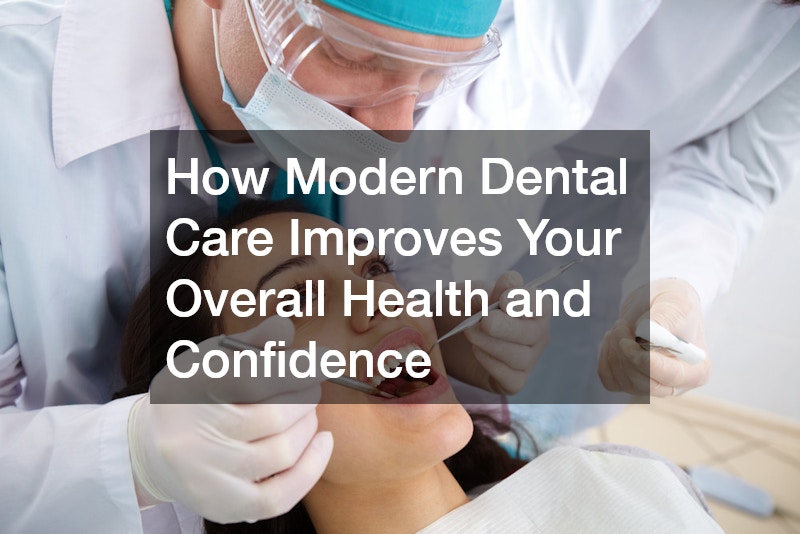

For generations, visits to the dentist were often viewed as a necessary burden—something to be scheduled only when a toothache became unbearable or a visible cavity needed filling. Dentistry was largely reactive, focusing on managing pain and repairing localized damage after it had already taken toll. Today, that narrow perspective has dissolved. Modern dentistry has transformed into a proactive, highly sophisticated branch of healthcare centered on the deep, undeniable connection between oral health, total-body physical wellness, and psychological self-assurance.
Your mouth serves as the primary gateway to the rest of your body, reflecting internal health trends and actively influencing your systemic biology. A healthy, fully functional smile allows you to eat a nutrient-dense diet, speak clearly, and project genuine warmth and confidence in social and professional settings. Conversely, chronic oral inflammation, missing teeth, or unaddressed structural defects can create a cascade of physical complications while quietly eroding your self-esteem.
Taking control of your oral health is one of the most transformative decisions you can make for your overall quality of life. This guide explores how advanced preventative habits, restorative solutions, and aesthetic care work in harmony to protect your physical body and empower your everyday confidence.
Protect Your Heart and Body Through Systemic Oral Health
WDGv41G50G79
Reduce Inflammation to Safeguard Your Cardiovascular and Immune Systems
The biological connection between your mouth and the rest of your body is profound. Your oral cavity harbors billions of bacteria, forming a complex ecosystem known as the oral microbiome. When teeth and gums are kept clean, beneficial bacteria thrive, and harmful populations are kept in check. However, when plaque accumulates along the gumline, aggressive anaerobic bacteria multiply, triggering an inflammatory immune response known as gingivitis, which can progress into periodontitis.
Periodontitis does not simply stay confined to the gums. The tissue lining your mouth is densely packed with tiny blood vessels. When gum tissue becomes chronically inflamed and bleeds, microscopic pathways open up, allowing oral pathogens and inflammatory proteins to enter the bloodstream directly. Once in circulation, these bacteria can contribute to systemic inflammation throughout the vascular system, compounding serious chronic health risks:
- Cardiovascular disease: Oral bacteria traveling through the bloodstream can attach to fatty deposits in the heart’s blood vessels, encouraging arterial plaque formation and increasing the risk of heart attacks and strokes.
- Complications with diabetes: The relationship between gum disease and diabetes is a two-way street. Chronic inflammation makes it much harder for the body to regulate blood sugar levels, while high blood sugar makes gum tissue more vulnerable to severe infection.
- Respiratory infections: Inhaling harmful oral bacteria into the lungs can lead to respiratory illnesses, including pneumonia, particularly in older adults or immunocompromised individuals.
- Systemic inflammatory stress: Constant low-grade inflammation in the mouth keeps the body’s immune system on high alert, draining energy and straining vital internal organs over time.
Prioritizing preventative dental care acts as a critical first line of defense against this internal bacterial spread. Through routine professional cleanings, daily interdental flossing, and early targeted treatments, you eliminate harmful bacterial reservoirs before they can disrupt your internal organs. In modern collaborative medicine, it is increasingly common for a patient’s local physician to work in tandem with oral health specialists, ensuring that chronic inflammatory conditions like diabetes and hypertension are managed holistically across both medical and oral disciplines.
Restore Chewing Function and Structural Jaw Stability
Replace Missing or Damaged Teeth to Preserve Jawbone Density and Nutrition
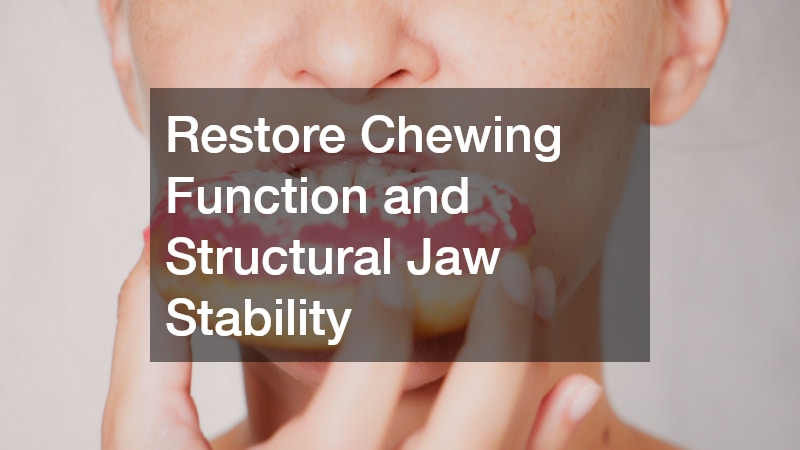
A complete set of functional teeth is essential for proper nutrition and structural jaw integrity. When a tooth is lost to injury, decay, or severe gum disease, the consequences extend far beyond a visible gap in your smile. Teeth rely on one another for positioning and support. When one is missing, adjacent teeth naturally tilt, drift, and shift into the vacant space, disrupting your bite mechanics and creating hard-to-clean traps where plaque quickly collects.
Even more significant is what happens beneath the surface of the gums. Your jawbone requires constant physical stimulation from the roots of your teeth during chewing to maintain its density and volume. When a tooth root is gone, the surrounding jawbone begins to reabsorb into the body, losing up to 25 percent of its width in the first year alone. This loss of structural support can alter facial shape over time, causing a prematurely aged, sunken appearance around the mouth and chin.
Restoring missing teeth is essential for preserving both bone structure and digestive health:
- Protects full bite force: Having a complete set of stable teeth allows you to chew tough, fibrous foods like raw vegetables, nuts, and lean meats, ensuring your body receives essential nutrients.
- Prevents digestive strain: Properly chewing food breaks it down into smaller particles mixed with salivary enzymes, making digestion easier on your stomach and intestines.
- Maintains facial geometry: Preserving jawbone volume supports the surrounding facial muscles, keeping your lips and cheeks full and natural.
- Prevents secondary tooth loss: Keeping neighboring teeth stabilized prevents domino-effect shifting that can weaken surrounding roots.
Modern restorative treatments offer permanent, reliable ways to rebuild missing tooth structures from the root up. Placing state-of-the-art dental implants directly into the jawbone mimics natural roots through osseointegration, a biological process where bone fuses securely to medical-grade titanium posts. Seeking out specialized providers for local dental implants ensures precise surgical placement, long-term bone preservation, and a stable foundation for custom crowns that feel and function just like natural, healthy teeth.
Protect Weakened Teeth and Rebuild Smile Aesthetics
Strengthen Vulnerable Tooth Structures and Enhance Natural Appearance
While preserving healthy bone structure is critical, protecting existing natural teeth from further breakdown is equally vital. Everyday stresses like night-time grinding, sports impacts, deep decay, or large aging fillings can weaken natural enamel over time. When a tooth develops structural cracks, it becomes susceptible to painful fractures that can expose sensitive internal nerves to severe infection.
Strengthening compromised teeth before they break preserves your natural smile structure and saves you from emergency extractions. Modern restorative materials have advanced significantly; rigid, dark metal amalgams have largely been replaced by high-strength ceramic and porcelain materials that seamlessly match the translucent appearance of natural enamel.
Protecting and refining tooth structures offers both functional protection and psychological benefits:
- Reinforces cracked enamel: Custom ceramic coverings shield compromised teeth from heavy chewing forces, keeping the underlying tooth structure intact.
- Seals out harmful bacteria: Precision restorations cover microscopic gaps where bacteria could otherwise settle and cause recurring internal decay.
- Restores natural tooth shape: Rebuilding worn or chipped edges restores proper bite alignment and prevents strain on your jaw joints.
- Boosts personal self-assurance: Knowing your smile looks complete and vibrant allows you to laugh, speak, and present yourself without feeling self-conscious.
When a tooth loses significant structure, placing a custom-crafted dental crown provides a durable 360-degree protective cap that restores full strength and natural appearance. Beyond structural repair, combining these protective techniques with modern cosmetic dentistry—such as professional whitening, porcelain veneers, or subtle tooth contouring—allows individuals to correct long-standing aesthetic insecurities safely and effectively. Transforming your smile aesthetic often provides a powerful boost in self-confidence that positively influences personal relationships and professional interactions.
Build Lifelong Healthy Habits and Correct Alignment Early
Establish Positive Childhood Routines and Correct Bite Mechanics
Achieving a lifetime of optimal oral health depends heavily on the habits established during early childhood. Children who learn proper brushing techniques, enjoy positive experiences in the clinical chair, and understand the importance of preventative care carry those beneficial habits into adulthood. Conversely, early childhood dental anxiety or neglected primary teeth can lead to chronic dental issues and severe phobias later in life.
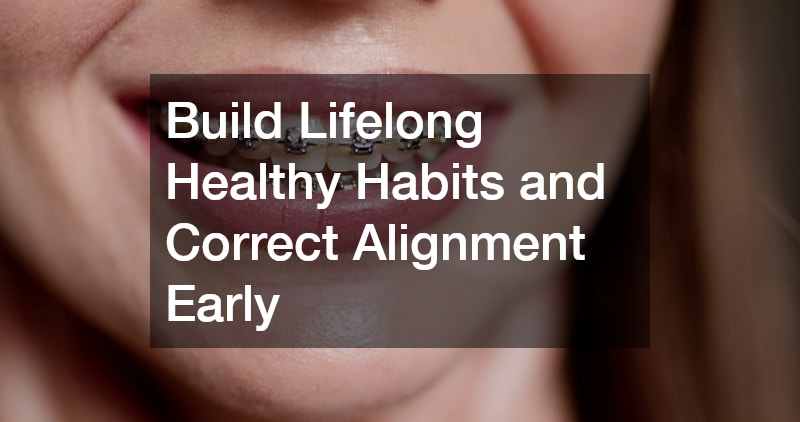
Equally important during developmental years—and throughout adulthood—is ensuring proper alignment of the teeth and jaws. Misaligned teeth (malocclusion) are not merely a cosmetic concern. Crowded, overlapping, or rotated teeth create tight spaces that are almost impossible to clean effectively with standard brushing and flossing, leading to hidden plaque buildup and localized gum inflammation. Furthermore, a bad bite can cause uneven enamel wear, speech impediments, and chronic jaw pain related to temporomandibular joint (TMJ) strain.
Addressing developmental care and structural alignment offers significant long-term health advantages:
- Eases daily hygiene routines: Straight, properly spaced teeth allow toothbrush bristles and floss to slide easily between surfaces, removing plaque effortlessly.
- Prevents abnormal enamel wear: Aligning your bite ensures chewing forces are distributed evenly across all teeth, protecting against chips and flattened edges.
- Reduces jaw joint tension: Correcting overbites, underbites, or crossbites eliminates abnormal strain on the TMJ muscles, reducing tension headaches and neck discomfort.
- Fosters lifelong fear-free care: Positive early experiences help children build trust with healthcare providers, making preventative checkups a stress-free routine.
Early evaluations by a compassionate pediatric dentist help monitor jaw growth, identify emerging bite issues early, and teach children engaging, age-appropriate hygiene habits. For patients of any age needing structural alignment, visiting a specialized orthodontic office opens access to discrete, modern alignment options like clear custom aligners or low-profile braces, helping you achieve a straight, easy-to-clean smile that supports lifelong health.
Choose the Right Professional Environment for Long-Term Wellness
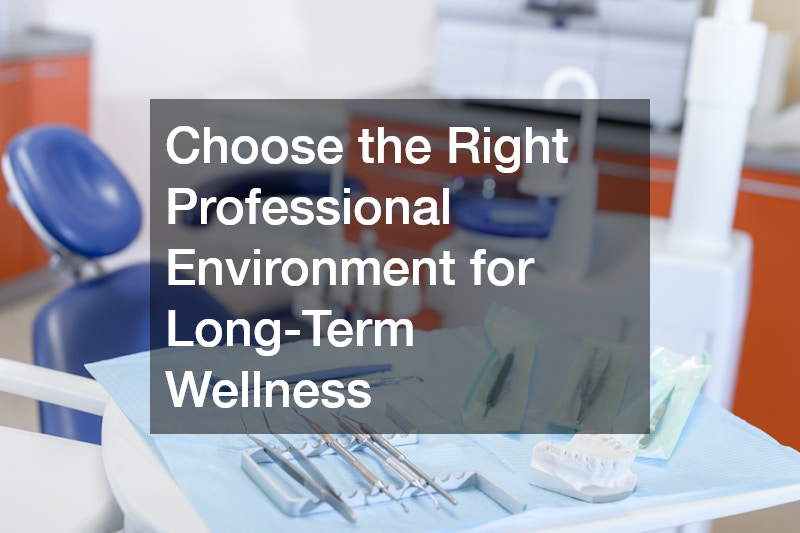
Select a Comprehensive Practice That Fits Your Family’s Health Needs
The journey to maintaining excellent oral health and total-body wellness relies on consistent, personalized care over time. Rather than seeking care only during sudden dental emergencies, building a continuous relationship with a trusted professional team ensures that minor changes in your oral health are identified and addressed long before they cause pain or require extensive treatment.
Modern treatment facilities have evolved to prioritize patient comfort, clear communication, and advanced diagnostic accuracy. From low-radiation digital X-rays and 3D cone-beam imaging to intraoral cameras that let you see exactly what the doctor sees, updated technology makes diagnosis transparent and treatment remarkably efficient.
When evaluating a practice for your family’s long-term care, consider the following key elements:
- Comprehensive diagnostic technology: Practices utilizing 3D digital imaging can detect hidden bone loss, nerve pathways, and subtle internal decay with exceptional precision.
- Preventative and educational focus: A great clinical team spends time explaining proper home care, discussing nutrition, and helping you understand the””wh”” behind recommended care.
- Comfort-focused amenities: Gentle techniques, modern local numbing options, and relaxing environment amenities help ease anxiety for nervous patients.
- Clear, transparent communication: Treatment plans should always be explained in plain language, complete with clear timelines and financial options.
Finding a welcoming, highly qualified dental office creates a comfortable healthcare home where you feel supported at every stage of life. Selecting a family-centered dental office simplifies logistics by allowing parents and children to receive comprehensive care in one familiar location. This consistency allows your care team to maintain accurate, multi-generational health records, track subtle structural shifts over time, and keep your entire family on the path to vibrant health and radiant confidence.
In addition, a family-focused practice often fosters strong relationships between patients and dental staff, enhancing trust and communication. Regular visits become less daunting when everyone in the family is familiar with the environment and the team. Moreover, a dental office that emphasizes family care is more likely to offer educational resources and preventive measures tailored to each age group, ensuring that both kids and adults understand the importance of oral health. This holistic approach ultimately contributes to a healthier future for your entire family.
Conclusion
Modern oral healthcare is far more than an isolated routine of brushing, flossing, and filling occasional cavities. It is a vital, irreplaceable investment in your total physical health, functional vitality, and everyday emotional well-being. By protecting your mouth from chronic bacterial inflammation, you shield your heart and immune system from unnecessary stress. Restoring missing or weakened teeth protects your jaw structure, enhances your digestion, and preserves the natural beauty of your facial features.
Achieving a healthy, confident smile does not happen overnight, but it is entirely within your reach. Simple proactive habits—like scheduling regular checkups, addressing structural repairs promptly, and maintaining a thorough daily hygiene routine—yield lifelong benefits. By embracing modern oral care as an active component of your overall health strategy, you unlock a healthier body, a functional bite, and a vibrant smile that projects true self-assurance for decades to come.