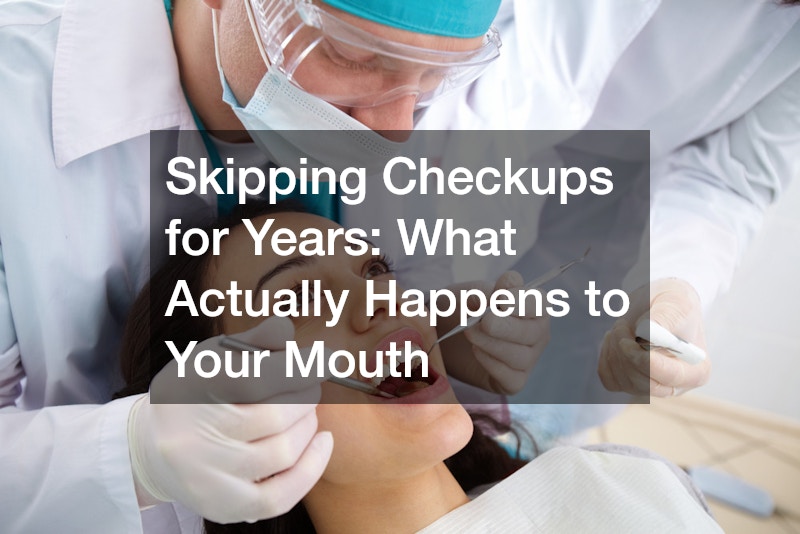

It starts innocently enough. A busy year turns into two, then five, and suddenly you can’t remember the last time you sat in a dentist’s chair. You’re not alone; millions of adults put off routine visits due to cost, fear, or simply not having the time. But your mouth keeps a detailed record of every skipped appointment, and understanding what actually happens inside it can help you decide what to do next.
Plaque Buildup That Turns Into Tartar
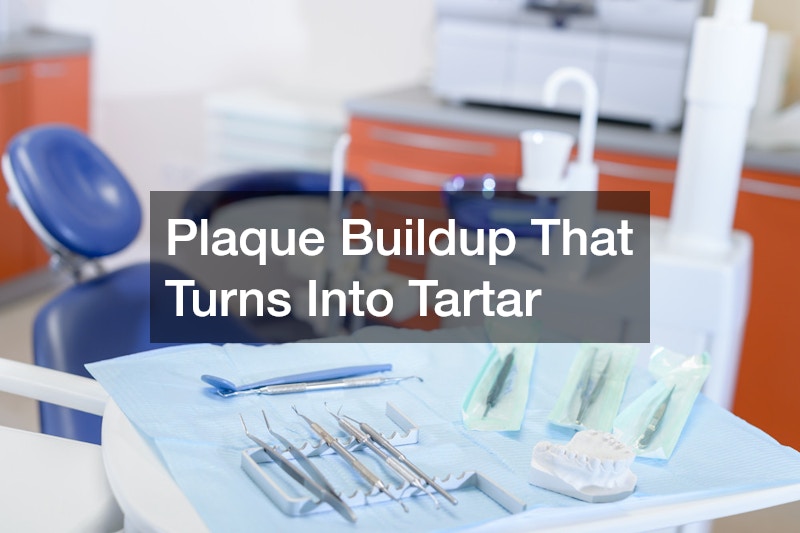
When you skip regular teeth cleaning, plaque doesn’t just sit quietly on your teeth. Within days, it begins hardening into tartar, a rough calcified substance that brushing and flossing alone cannot remove. Once tartar forms along the gumline, it creates a rough surface that attracts even more bacteria, accelerating the cycle of buildup.
This isn’t just a cosmetic issue. Tartar buildup is a leading contributor to gum inflammation and bad breath, and it can only be removed with professional instruments. The longer it stays, the more it pushes into the space between your teeth and gums, setting the stage for deeper problems.
- Tartar above the gumline is yellow or brown and visible when you smile
- Tartar below the gumline is harder to detect but often more damaging
- Professional scaling is the only reliable way to remove hardened tartar
- Untreated tartar buildup accelerates enamel erosion over time
Gum Disease Progression Without Intervention
Gingivitis, the earliest stage of gum disease, is reversible with good hygiene and a return to routine dental care. But without intervention, it can progress into periodontitis, a far more serious condition where the gums pull away from the teeth and form infected pockets. This stage is no longer reversible, only manageable, and it often requires more intensive dental treatment to control.
People are frequently surprised to learn that periodontitis has been linked to bone loss in the jaw. As the infection spreads beneath the gumline, it can erode the very structure that holds your teeth in place. By the time symptoms become painful or obvious, significant damage may have already occurred.
Cavities That Grow Silently Beneath the Surface
Small cavities rarely hurt at first, which is exactly why they’re dangerous to ignore. A cavity can grow from a tiny surface spot into a deep, nerve-threatening hole over the course of a few years without any checkups to catch it early. Once decay reaches the inner pulp of the tooth, a simple filling is no longer enough.
At that point, patients often need root canals or even extractions, procedures that are more invasive, more expensive, and more time-consuming than they would have been had the issue been caught sooner. Regular imaging during checkups is one of the only ways to spot decay before it becomes a real problem, since early cavities often aren’t visible to the naked eye. Access to consistent health care services, including routine dental visits, makes this kind of early detection possible.
- Cavities can form between teeth where you can’t see or feel them
- Sensitivity to hot or cold is often a late-stage warning sign
- X-rays taken during routine visits catch decay long before pain starts
- Delayed treatment usually means a more complex and costly fix
Tooth Enamel Erosion From Years of Neglect
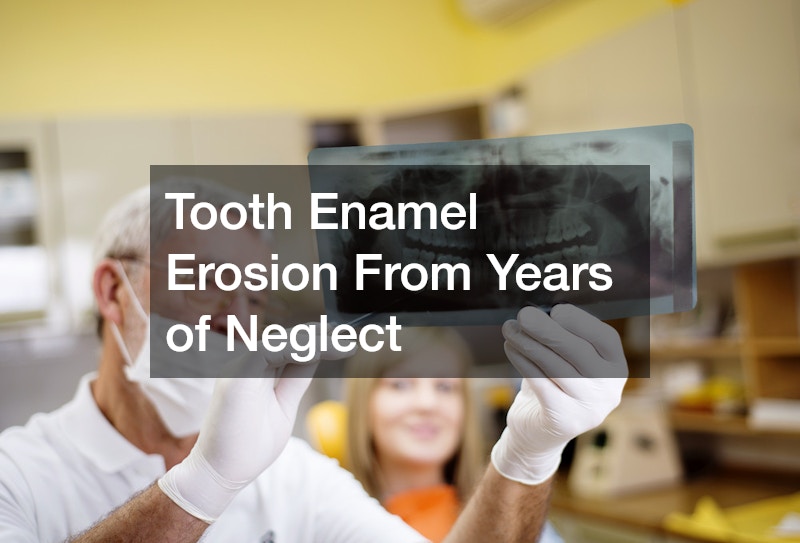
Enamel is the hardest substance in the human body, but it isn’t invincible. Years without professional guidance on diet, acid exposure, or brushing technique can lead to gradual thinning that leaves teeth more sensitive and more prone to chipping. Sensitivity to cold drinks, hot coffee, or even a rush of cold air is often the first sign that enamel has worn thinner than it should be.
The erosion tends to come from everyday sources people don’t think twice about: soda, citrus fruits, wine, sports drinks, and even sparkling water all carry acidity that softens enamel on contact. Brushing too hard or right after eating something acidic can make things worse, since softened enamel is more easily scraped away. A dentist would normally catch these habits early and suggest simple fixes, like rinsing with water after acidic foods or switching to a softer-bristled brush, but without checkups, the damage just keeps compounding.
Unlike other tissues, enamel does not regenerate once it’s gone. There’s no natural repair process, and no toothpaste or treatment can rebuild lost structure. Once enamel wears down to the point of exposing the softer dentin underneath, the only options are protective measures like bonding, crowns, or veneers to prevent further damage.
This is one of the reasons dentists emphasize prevention over correction. Enamel doesn’t regenerate the way skin or bone can — once it wears away, it’s gone for good, which makes early intervention so critical.
In the early stages, treatment might involve nothing more than a prescription fluoride toothpaste or a professional fluoride varnish to help re-mineralize weak spots. But once erosion progresses to exposed dentin, options shift toward more involved fixes: bonding, veneers, or crowns designed to shield the tooth from further damage and mask sensitivity.
These restorative treatments aren’t cheap. A single dental crown can run anywhere from $800 to $2,000, depending on materials, while veneers often exceed that per tooth — costs that dwarf the price of the checkups and cleanings that could have caught the problem early.
The timeline matters too. What could have been managed with a $100-150 cleaning and a fluoride treatment in year one can turn into months of multi-visit restorative work by year five or six, simply because the protective outer layer of the tooth wore down further with every year of neglect.
Bad Breath That Signals Deeper Problems
Chronic bad breath is often dismissed as a minor social inconvenience, but it’s frequently a symptom of something more serious happening inside the mouth. Bacteria trapped in tartar, decaying food particles in cavities, and infected gum pockets all produce odor as a byproduct. Mouthwash and mints can mask the smell temporarily, but they don’t address the underlying cause.
In some cases, persistent bad breath is one of the first signs that gum disease has progressed past the point where at-home care can fix it. It’s a signal worth taking seriously rather than covering up.
- An odor that returns quickly after brushing may indicate gum infection
- A metallic or sour taste can suggest an untreated cavity
- Dry mouth from certain medications can worsen bacterial buildup
- Persistent bad breath rarely resolves without addressing its source
Tooth Loss and Its Effect on Jaw Structure
Losing a tooth doesn’t just leave a gap in your smile. The jawbone beneath a missing tooth begins to lose density within months because it no longer receives the stimulation it needs from chewing. Studies show up to 25% of bone width can disappear in the first year alone, and the loss continues gradually after that.
This bone loss doesn’t stay contained to one spot. Over the years, it can change the shape of your face, causing the cheeks to look sunken and the lower jaw to shift forward, adding an aged appearance well before its time.
The gap left behind also throws off the balance of your bite. Neighboring teeth tend to drift into the empty space, while the tooth above or below it can shift downward or upward, looking for something to meet. This shifting often leads to crooked teeth, uneven wear, and jaw joint pain that wasn’t there before.
The longer a missing tooth goes unaddressed, the more complicated the fix becomes. What might have been a straightforward implant in year one can require bone grafting by year five, simply because there’s no longer enough healthy bone to anchor a replacement securely.
When a tooth goes missing and isn’t replaced, the surrounding teeth don’t stay put. They tilt, drift, and migrate into the empty space, while the opposing tooth in the other jaw can start to over-erupt since it no longer has anything to bite against.
This shifting can create new bite problems, uneven wear patterns, and even difficulty chewing certain foods. Over time, the jawbone itself begins to change, too — without the stimulation a tooth root provides, the bone in that area gradually resorbs, sometimes losing significant width and height within the first year alone.
That bone loss doesn’t just affect the empty socket. It can alter the shape of the jawline and lower face, making a person look older than they are, and it can make the area less stable for future tooth replacement.
Modern cosmetic dentistry offers solutions like implants and bridges, but the earlier tooth loss is addressed, the simpler and more predictable the outcome tends to be. Waiting even a few years can mean needing bone grafting before an implant is even possible, turning what could have been a straightforward procedure into a longer, more involved treatment plan.
Stained and Discolored Teeth Over Time
Coffee, tea, wine, and tobacco all leave residue that builds up year after year without professional cleaning to interrupt the cycle. What starts as light surface staining can deepen into a yellowish or grayish tone that’s much harder to reverse. Store-bought whitening strips often struggle to make a visible difference once staining has set in this deeply.
Many people who finally sit down in the dentist’s chair after a long gap are surprised at how much brighter their smile looks after just one professional cleaning. For deeper, more stubborn discoloration, teeth whitening performed in a clinical setting tends to produce faster and more even results than at-home kits, since it can be tailored to the specific type of staining involved.
Jaw Pain and Misalignment From Untreated Bite Issues
Skipping checkups means missing the early signs of bite misalignment, which can worsen gradually and lead to jaw pain, headaches, or clicking sounds when chewing. Left unaddressed, these issues sometimes require more involved correction than they would have needed if caught early. Many adults are surprised to learn that options like Invisalign exist for correcting alignment issues later in life, not just for teenagers.
A dental clinic that offers a full evaluation can usually identify whether jaw discomfort stems from misalignment, teeth grinding, or another underlying cause. Addressing it early tends to be far less disruptive than waiting until the discomfort becomes constant.
Rebuilding a Relationship With Routine Dental Visits
Returning to the dentist after a long absence can feel intimidating, but most dental teams are far more focused on helping you move forward than dwelling on the past. A thorough exam will usually involve x-rays, a full assessment of gum health, and a conversation about which dental procedure options make sense based on what’s found. Newer tools have also made the experience more comfortable than many people remember.
Laser dentistry, for example, has made certain gum treatments less invasive and often less painful than traditional methods, with quicker healing times for many patients. Many offices have also restructured their front-desk processes, offering flexible scheduling and payment options specifically designed to make it easier for people to re-enter care without added stress.
- Ask about a comprehensive first visit, so nothing gets missed
- Be honest about how long it’s been, so the team can plan accordingly
- Inquire about newer technology that may make treatment more comfortable
- Discuss financing or payment plans if cost has been a barrier before
Years without dental visits don’t erase the damage happening quietly beneath the surface, but they also don’t mean the situation is beyond repair. The sooner you schedule an exam, the more options you’ll have and the simpler the treatment is likely to be. Your mouth has been waiting patiently; the next step is simply picking up the phone and booking that first appointment back.
Take Action for Your Dental Health Today!
Don’t wait for problems to escalate. If it’s been too long since your last dental visit, now is the perfect time to schedule an appointment. Regular checkups can save you from costly procedures down the line and ensure that your oral health stays on track. Consult with a dentist who can assess your needs and create a tailored plan to address any issues before they become serious. Remember, prevention is the key to maintaining a healthy smile—so take the first step today towards brighter, healthier teeth!