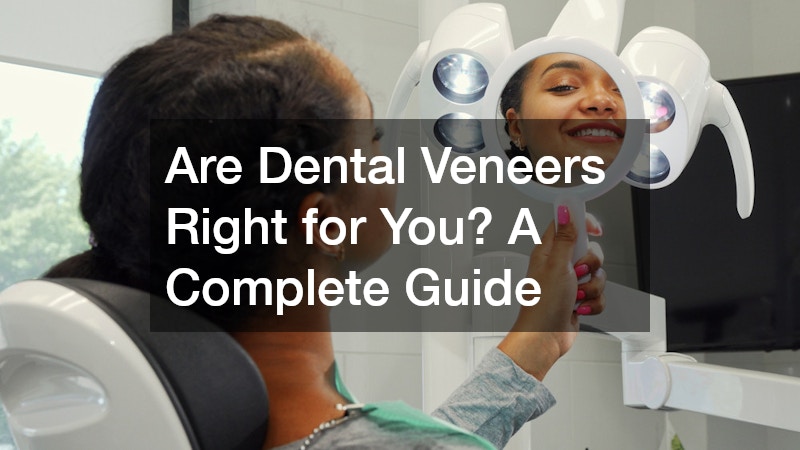

A confident smile can make a lasting impression. For individuals looking to improve the appearance of chipped, stained, uneven, or slightly misaligned teeth, veneers are one of the most popular cosmetic dentistry options available today. But are they the right solution for everyone? Understanding what dental veneers are, how the procedure works, and who makes a good candidate can help you decide whether this treatment aligns with your goals.
What Are Dental Veneers?
A dental veneer is a thin, custom-made shell that covers the front surface of a tooth. Veneers are typically made of porcelain or composite resin and permanently bonded to enhance the tooth’s shape, size, or color.
Because they are crafted to match your natural teeth, veneers provide a seamless and natural-looking result.
Porcelain veneers are especially popular due to their durability and resistance to staining. Composite veneers, while generally more affordable, may not last as long but can still deliver attractive results when properly maintained.
What Cosmetic Concerns Can Veneers Address?
Veneers are highly versatile and can correct a wide range of aesthetic concerns. You may be a strong candidate if you have:
- Discolored teeth that do not respond well to whitening treatments
- Minor chips or cracks
- Gaps between teeth
- Slightly uneven or misshapen teeth
- Mild misalignment
While veneers can dramatically enhance a smile, they are not intended to fix major orthodontic or structural issues. Severe alignment problems or extensive decay may require alternative treatments.
The Veneer Procedure: What to Expect
The process of getting dental veneers typically involves two to three appointments. During the initial consultation, your dentist will evaluate your oral health, discuss your goals, and determine whether veneers are appropriate for you.
If you proceed with treatment, a small amount of enamel—usually less than a millimeter—is removed from the front surface of the tooth. This step ensures that the veneer sits flush and looks natural. Impressions are then taken and sent to a dental laboratory, where your custom veneers are fabricated.
Once ready, your dentist will carefully bond the veneer to your tooth using a strong adhesive. The result is a smooth, polished surface that blends seamlessly with the rest of your smile.
Are You a Good Candidate?
Not everyone is automatically a candidate for veneers. Ideal candidates typically have healthy teeth and gums. Issues such as gum disease, untreated cavities, or weakened enamel should be addressed before cosmetic treatment begins.
Additionally, individuals who grind or clench their teeth (a condition known as bruxism) may need to consider protective measures, such as a nightguard. Excessive grinding can overstress veneers and shorten their lifespan.
A consultation with a qualified dental professional—such as a member of the American Dental Association—can help determine whether veneers are suitable for your specific needs.
Benefits of Choosing Veneers
There are several reasons why veneers are a popular cosmetic solution:
Natural Appearance: Porcelain closely mimics the light-reflecting properties of natural enamel.
Durability: With proper care, porcelain veneers can last 10 to 15 years or longer.
Stain Resistance: Porcelain veneers resist stains better than natural teeth.
Minimally Invasive: Compared to crowns, veneers require less tooth structure removal.
For many patients, the confidence boost that comes from an improved smile is one of the most significant benefits.
Potential Drawbacks to Consider
While veneers offer many advantages, it’s important to understand potential limitations. The procedure is irreversible because a small amount of enamel is permanently removed. Once you commit to veneers, you will always need some form of restoration on those teeth.
Cost can also be a factor. Veneers are considered cosmetic, so insurance coverage is typically limited. Additionally, while durable, veneers are not indestructible. Biting hard objects or using teeth as tools can damage them.
Weighing both the benefits and considerations will help ensure you make an informed decision.
Veneers vs. Other Cosmetic Options
Before committing to dental veneers, it’s wise to explore alternative treatments. Professional teeth whitening may be sufficient for patients primarily concerned with discoloration. Orthodontic treatments such as clear aligners may better address alignment concerns.
In some cases, dental bonding can correct minor chips or gaps at a lower cost. However, bonding may stain more easily and typically does not last as long as porcelain veneers.
Discussing all available options with your dentist ensures that your treatment plan aligns with both your cosmetic goals and long-term oral health.
Caring for Your Veneers
Maintaining veneers is similar to caring for natural teeth. Brushing twice daily, flossing regularly, and attending routine dental checkups are essential. Avoid biting on hard objects like ice or pens, and consider limiting highly staining foods and beverages, even though porcelain is resistant to discoloration.
Your dentist may recommend wearing a nightguard if you grind your teeth. With proper care, your veneers can remain bright and functional for many years.
Making the Right Choice for Your Smile
Choosing to enhance your smile is a personal decision. A dental veneer can provide dramatic yet natural-looking improvements for individuals with minor cosmetic concerns. However, success depends on proper candidacy, good oral health, and realistic expectations.
By consulting with a qualified dental professional and carefully considering your goals, you can determine whether veneers are the right step toward achieving the confident, radiant smile you envision.